

Material is never just the last layer.
That assumption causes a lot of weak interiors. People spend months discussing concept, brand, menu, references, and then treat materials like final cosmetic decisions. By that point, the room already lost half its power.
As an interior design company bangkok clients trust for hospitality and lifestyle projects, UNFORMALDESIGN treats materials differently. They are not finish selections added after the concept. They are part of how the concept becomes believable.
About UNFORMALDESIGN: https://unformaldesign.com/about/ | Material System: https://unformaldesign.com/material-system/ | Projects: https://unformaldesign.com/projects/
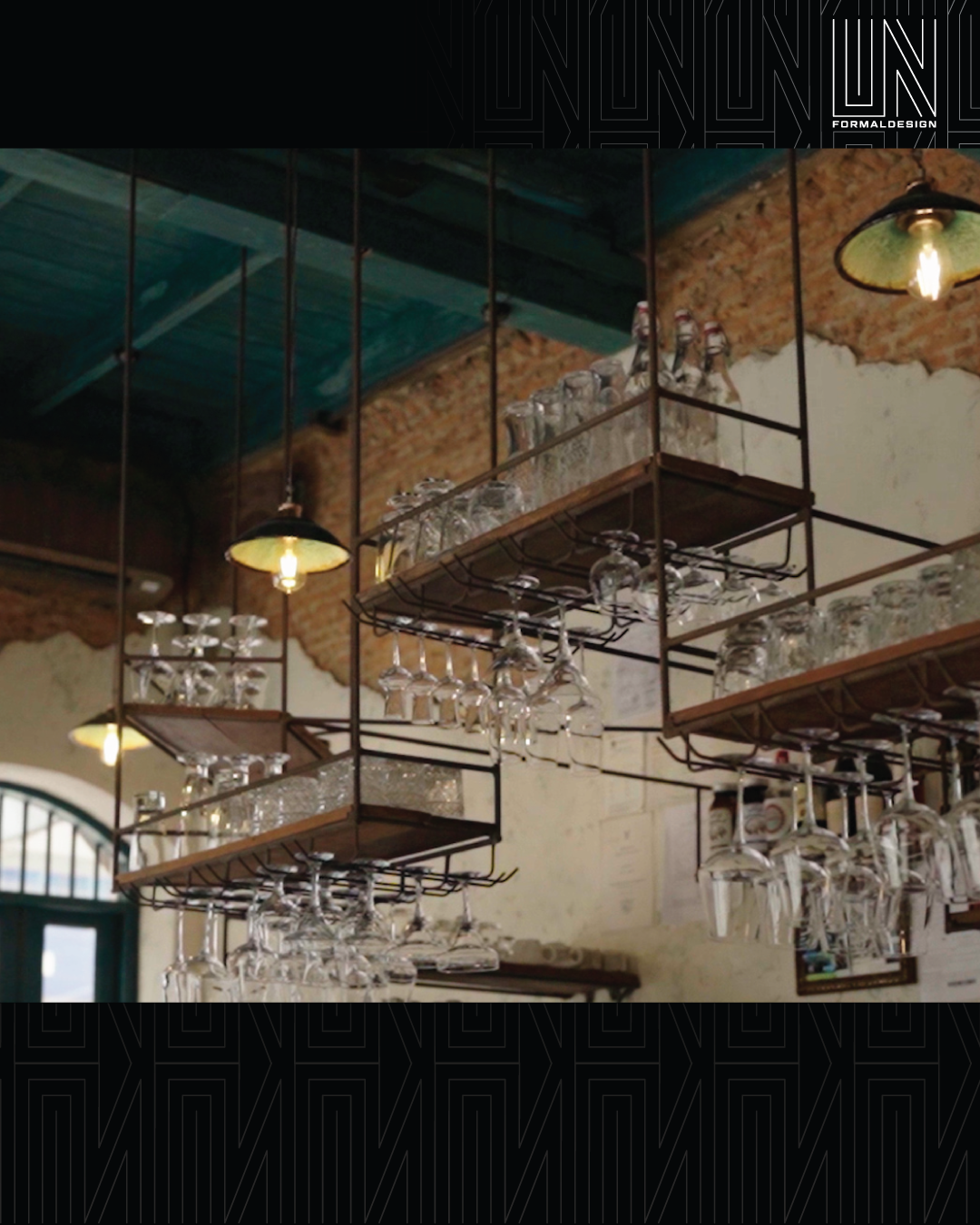
In hospitality, every surface affects more than appearance. It shapes how the room behaves under light, how it ages, how it feels under hand, how easy it is to maintain, and whether the atmosphere stays convincing after the opening week is over.
That is why material intelligence matters.
What the phrase really means
Material intelligence is simply the ability to choose and use materials in a way that aligns atmosphere, durability, and real life.
A strong material choice answers more than one question at once:
\- what does it say emotionally?
\- how does it react under warm and cool light?
\- does it age with character or just deteriorate?
\- is it right for a guest touchpoint or only for a visual plane?
\- can it survive cleaning, humidity, and daily pressure in Thailand?
If those questions are ignored, the concept starts lying.
Why this matters so much in hospitality
Hospitality rooms are judged quickly and used hard. People notice more than they think.
They notice when timber feels too fake, when metal feels too cold, when a plaster finish suddenly looks cheap under the evening lighting, when a surface everyone touches already looks tired after a month.
That is why material-driven design is not about fetishising finishes. It is about protecting the identity of the space.
How we think about materials
A useful material strategy usually separates three things:
- surfaces that carry the mood;
- surfaces that carry the wear;
- surfaces that connect the two and keep the room coherent.
That sounds simple, but it is where a lot of projects go wrong. The wrong material placed in the wrong role forces the whole room to work harder than it should.
The practical advantage
Clients often think this level of attention is about luxury. It is usually more about clarity.
If the material logic is right:
\- budget decisions get easier;
\- maintenance becomes less painful;
\- substitutions are easier to judge;
\- the atmosphere survives longer.
That is not indulgence. It is intelligence.
Working with UNFORMALDESIGN
If you’re planning a hospitality, retail, or lifestyle venue in Thailand and want the concept to hold up in real life, not just in presentations, message us.
\- WhatsApp: +66 97 112 3561 — https://wa.me/66971123561
\- Email: alessio@unformaldesign.com
Send the venue type, location, and whether you already know the material language or need help defining it.