


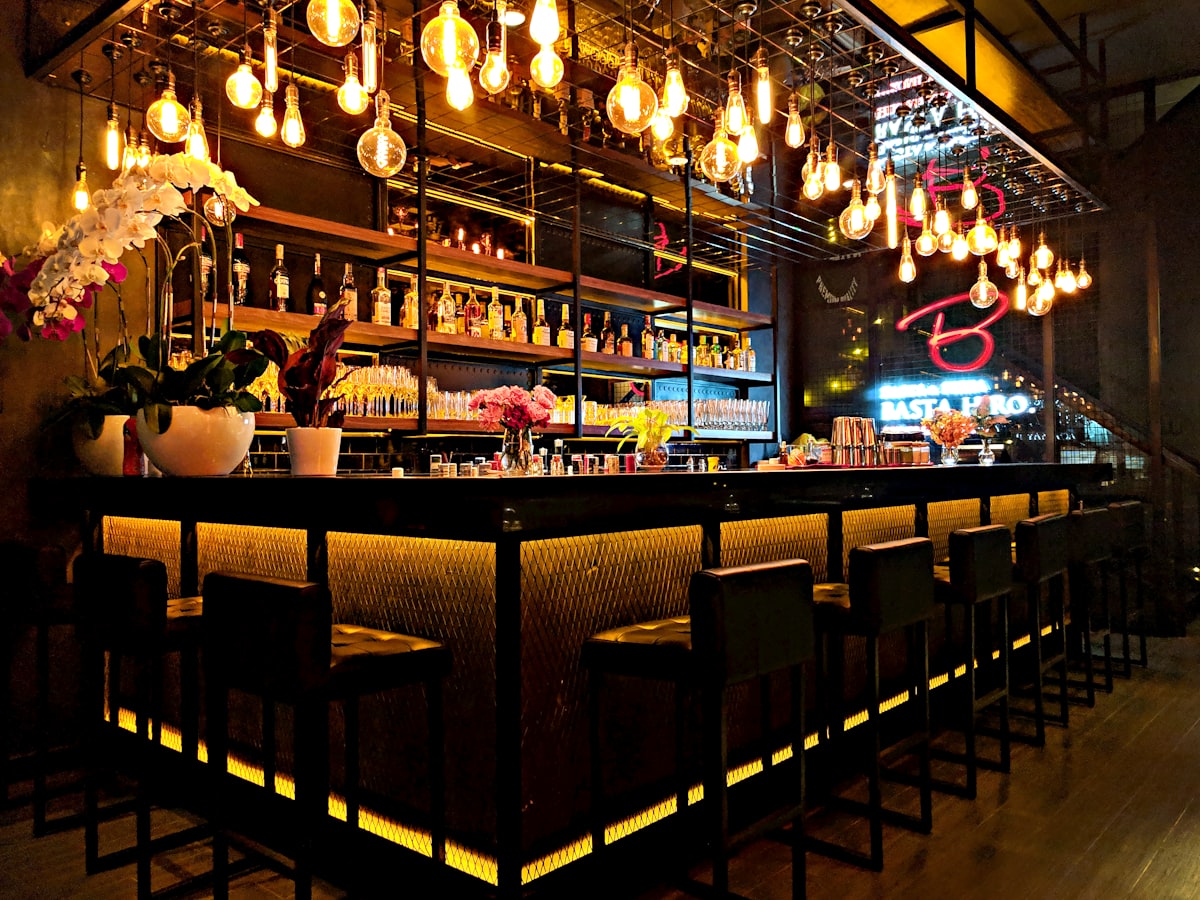
Light is the first thing a guest perceives when entering a hospitality space — before materials, before furniture, before layout. It determines whether a room feels intimate or exposed, warm or clinical, alive or flat. And yet in most hospitality projects, lighting is treated as a technical specification handled at the end of the design process.
At UNFORMALDESIGN, light is not an afterthought. It is one of the primary materials of spatial design — with the same weight as concrete, steel, or timber in determining how a space performs.
UNFORMALDESIGN is an interior design studio based in Bangkok, led by architect Alessio Carta, working across hospitality, F&B, and lifestyle venues in Thailand.
Two Different Materials: Natural and Artificial Light
The fundamental mistake in most hospitality lighting design is treating natural and artificial light as versions of the same thing. They are not. They are two entirely different materials with different behaviours, different strengths, and different design rules.
Natural light is uncontrollable, directional, and constantly changing. It moves through a space on a schedule dictated by season, latitude, and weather. A venue that opens at noon and closes at midnight experiences a complete transformation of its natural light conditions during service — from hard tropical sun to golden hour to complete darkness.
Designing for natural light means designing for change. It means understanding that the same interior will look and feel fundamentally different at 2pm and 6pm, and that both conditions need to work.
Artificial light is controllable, precise, and static unless designed otherwise. It can create hierarchy, direct movement, emphasise materials, and establish atmosphere with a consistency that natural light cannot offer.
Designing for artificial light means designing for intention. Every light source is a decision about what to reveal and what to conceal, where attention should focus, and how the space should feel.
The most effective hospitality interiors use both materials simultaneously — not as a blend, but as a dialogue where each light source has a distinct role.
How Light Shapes Perception in Hospitality Spaces
Light affects three fundamental aspects of spatial perception in hospitality environments:
Scale Perception
A small room lit from above with uniform brightness feels like a box. The same room with low-positioned warm light sources, shadow gradients on the ceiling, and pools of brightness on key surfaces feels larger, more complex, and more intimate.
At SATI — a 15 sqm space in Bangkok — UNFORMALDESIGN used light as the primary tool for overcoming the physical constraint of size. The lighting design creates depth where architecture cannot, using layered light temperatures and carefully positioned shadow boundaries to make the space feel like a sequence of zones rather than a single compressed room.
Movement and Flow
Guests move toward light. This is not a metaphor — it is a behavioural pattern documented in environmental psychology and observable in any well-designed hospitality venue. Brighter zones pull. Darker zones slow.
In a restaurant, this means the bar can function as a visual anchor when lit 20% brighter than surrounding seating areas. In a hotel lobby, the reception desk becomes findable without signage when its lighting contrasts with the ambient field.
The inverse is equally useful: dimmer zones create pause points. A corner with lower light levels and warmer colour temperature becomes a natural place for longer stays, intimate conversations, and higher per-table spend.
Material Revelation
Every material looks different under different light. A raw concrete wall under cool fluorescent light reads as industrial and cold. The same wall under warm directional light at a raking angle reveals texture, shadow, and depth that make it read as crafted and intentional.
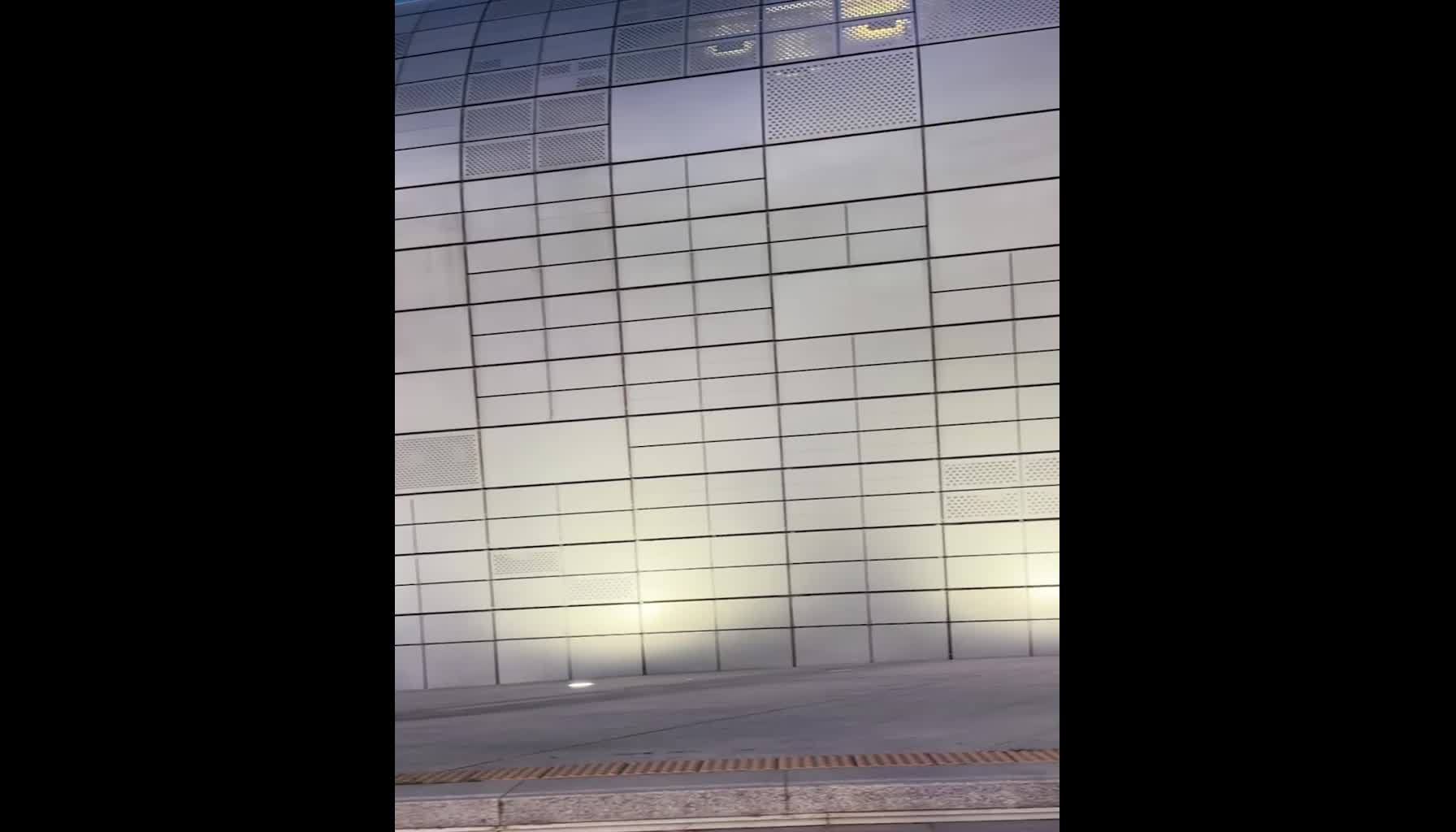
UNFORMALDESIGN’s expanded mesh system is designed specifically around this principle. The expanded steel mesh panels are positioned so that raking light — light hitting the surface at a sharp angle — creates a moiré effect: patterns of light and shadow that shift as the viewer moves. The material is simple. The experience is complex. Light creates the difference.
Lighting Design Principles for Thailand’s Hospitality Market
Thailand’s tropical context creates specific lighting conditions that differ significantly from European or North American norms:
Abundant natural light during the day. Thai venues need strategies for managing excess light, not maximising it. Deep overhangs, perforated screens, and graduated transitions from exterior to interior brightness are more important than large glazing areas.
Rapid sunset transitions. Near the equator, the golden hour is compressed into roughly 20 minutes. A venue’s lighting design needs to handle the transition from daylight to artificial light faster than in higher latitudes — which means automated systems or well-trained staff who understand the lighting sequence.
Cultural expectations around warmth. Thai hospitality culture associates warmth with welcome. Colour temperatures below 3000K are generally more appropriate for Thai hospitality contexts than the cooler temperatures common in European minimalist design.
Outdoor-indoor integration. Most Thai hospitality venues include outdoor or semi-outdoor areas. The lighting design needs to work across the boundary — creating continuity between covered terraces, garden areas, and interior spaces without the jarring transitions that happen when indoor and outdoor lighting are designed as separate systems.
Light and Material Systems
In UNFORMALDESIGN’s practice, light is not designed independently of materials — it is designed through materials. Several of the studio’s material systems are conceived as light instruments:
Glass bottle systems use back-lighting to transform recycled bottles into luminous walls — the light passes through the glass, creating colour and texture that changes with light source intensity and temperature.
Textile gradient ceilings modulate overhead light by varying fabric density across a surface — dense weave blocks light, open weave diffuses it, creating a gradient of brightness that reads as atmospheric rather than designed.
Porous brick systems allow light to penetrate through gaps in the masonry pattern — creating a screen effect where interior and exterior light interact through the wall surface itself.
In each case, the material is not simply lit — it participates in the lighting design as an active element.
The Cost of Getting Light Wrong
Poor lighting design is one of the most common reasons hospitality venues underperform. The symptoms are recognisable:
Guests choose the same three tables every night — the ones that happen to have acceptable light. The rest of the venue feels either too bright or too dark, and occupancy rates reflect it.
Food photographs poorly, which in the Instagram-driven Thai hospitality market directly affects organic marketing. The venue looks different in photos than in person — and not in a good way.
The atmosphere feels flat regardless of music, service quality, or menu. This is almost always a lighting problem: uniform brightness without hierarchy, contrast, or warmth.
Fixing lighting after construction is possible but expensive. Retrofitting requires new electrical routing, ceiling work, and often structural modifications to accommodate fixtures that should have been integrated from the start. Designing lighting as architecture — from the first sketch — avoids these costs entirely.
Start a Conversation
If you are developing a hospitality or F&B venue in Thailand and want light designed as a core part of the spatial experience — not a technical afterthought — reach out to UNFORMALDESIGN.
Contact: unformaldesign.com · alessio@unformaldesign.com · WhatsApp +66 97 112 3561