

Every hospitality project starts with a brief, but that brief is a puzzle of constraints. Budget, time, site, and mood are not obstacles—they are the tools that sharpen the idea. In Thailand, where climates, codes, and crowds shift from Bangkok to Koh Samui, understanding the limits early saves us from chasing fantasies. We listen to airline schedules, contractor lead times, and the site team’s availability, then turn those limits into priorities that keep the work precise, resilient, and emotionally honest.
The constraints keep us humble. We log how the staff works on a regular Tuesday because their energy adds its own weight to the plan. The first constraint we record is the budget’s tone. Is it lean and experimental or polished and elevated? We map the money to the experience—if the brief demands raw energy, we spend longer on craft; if it needs quiet sophistication we budget the detailing differently. Time is next. We plan which decisions must be locked in before the monsoon, which can happen after the shell is up, and which are flexible.
About UNFORMALDESIGN: https://unformaldesign.com/about/ | Material System: https://unformaldesign.com/material-system/
Internal link placements: founder-led design approach → https://unformaldesign.com/about/ | material system decisions → https://unformaldesign.com/material-system/ | real hospitality case studies → https://unformaldesign.com/projects/
This is the practical side of hospitality design constraints Thailand projects cannot ignore. Budget, timing, climate, and site conditions are not side notes; they shape restaurant design process decisions, bar interior strategy, and the material efficiency that determines whether a concept can survive real execution. The point is not simply to design around constraints, but to use them as directional intelligence from the start. Once that happens, even budget led interior design stops feeling defensive and starts shaping the concept with more clarity.
Mapping the constraints
The site tells us its own story. We ask the floor to speak: which axis is loud, which is quiet, how does the wind behave, where does the lighting change? That data feeds the plan. A high-ceilinged Bangkok bar wants compression near the entrance; a beachfront dining room wants openness and breeze. When we spend time building a site-based language, we make choices that respect the constraint but still feel expressive.
Constraint moves we document:
– Circulation heroes for tight plans and generous pauses for open sites.
– Material economies where the palette shares language across surfaces.
– Daylight studies that capture how light hits the first wall, the bar, the dining field.
– Humidity checks that inform the finish selections, adhesives, and lighting specs.
– Crew rhythms so the contractor’s hours align with the design iterations.
Turning constraints into craft
Constraints punch holes in the safe route, so the solution has to be smarter. If the site is tight, circulation becomes the hero. If the budget is strict, we focus on one expressive material system and let the rest stay calm. If time is limited, we prototype fast and keep the construction friendly. Those questions force us to define what matters most.
Craft moves we orchestrate:
– Manual mock-ups so finishes can be felt before the schedule demands sign-offs.
– On-site rehearsal of service flows to keep operations fluid.
– Material detailing that uses imperfections as identity rather than accidents.
– Service-friendly routing that keeps staff happy even during peak.
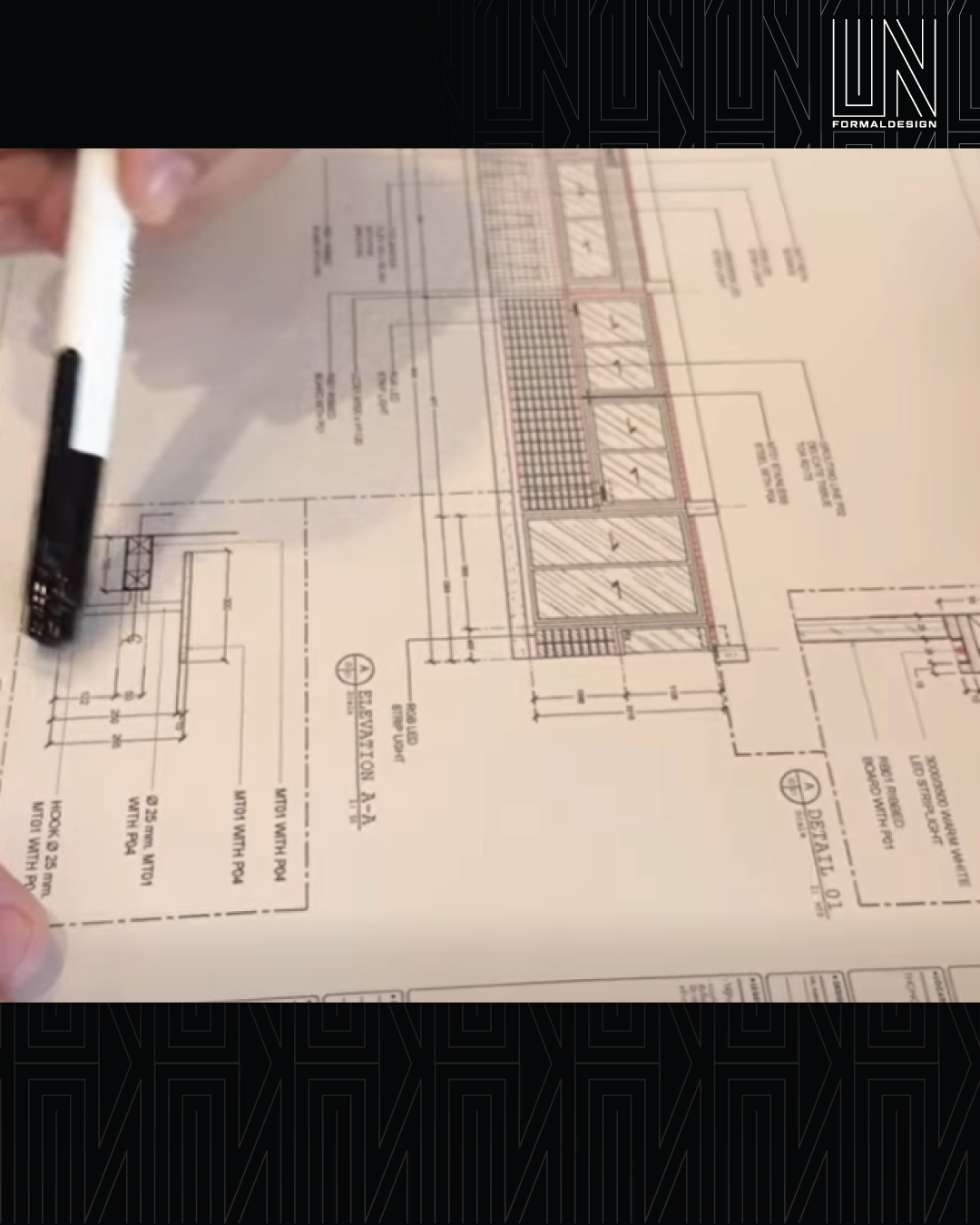
– Documentation that ties each decision to the constraint so future teams understand the “why.”
Documenting the story
We treat constraints as collaborators. When a contractor says the site needs accessible service points, we translate that into a curated service path. When a client says maintenance must be simple, we reference the material system from https://unformaldesign.com/material-system/ so replacement parts feel natural. Instead of fighting the limits, we redirect the energy into craft—raw, honest, and built to last.
Why constraints make the work stronger
The most forgettable hospitality projects are often the ones that try to act as if limits do not exist. They promise everything, then flatten the room into generic polish. We prefer the opposite. Constraints give the concept edges. They clarify what matters. They force the project to choose one strong move over five weak ones. In practice, that often leads to spaces that feel more confident, not less.
For operators, this is useful because it ties design back to business reality. A tighter palette can reduce cost while making the room more legible. A simpler circulation route can improve service speed. A modular material decision can lower future maintenance friction. Once the constraints are understood properly, they stop being bad news and start behaving like design intelligence.
That is also why the constraint conversation should happen early. When limits are hidden, the design wastes time pretending it has freedoms it does not really have. When limits are named clearly, the project gets sharper faster. The room gains discipline, and discipline is often what allows atmosphere to land with confidence instead of noise.
If you are planning a hotel, restaurant, or bar in Thailand and wonder whether the limits will suffocate the concept, let the constraints guide you. WhatsApp: https://wa.me/66971123561 | Email: mailto:alessio@unformaldesign.com