

The riskiest phase of any interior project isn’t the concept stage — it’s construction, where dozens of small decisions get made on-site, fast, often without a designer in the room to catch them. At Unformal Design, construction follow-up means staying involved through the build, not handing over a set of drawings and disappearing until opening day.
The Riskiest Phase Isn’t the Concept — It’s the Build
A drawing is a plan, not a guarantee. Between an approved design and a finished space sit hundreds of decisions made by contractors, tradespeople and site managers — decisions that a drawing can specify but cannot enforce on its own. Without someone from the design side present to interpret intent in real time, small deviations compound: a material substitution here, a dimension rounded there, a detail simplified because it was unclear on paper. None of these individually looks like a disaster. Together, they can quietly erode a design until the finished space no longer matches what was approved.
What Gets Lost Between Drawing and Reality
Drawings communicate intent, but construction is where intent meets constraint — material lead times, site conditions, contractor experience, budget pressure mid-build. A designer who isn’t present during this phase has no way to catch a substitution before it’s poured, tiled or bolted down. By the time an absent designer sees the result, it’s often too late or too expensive to correct.
What On-Site Follow-Up Actually Involves
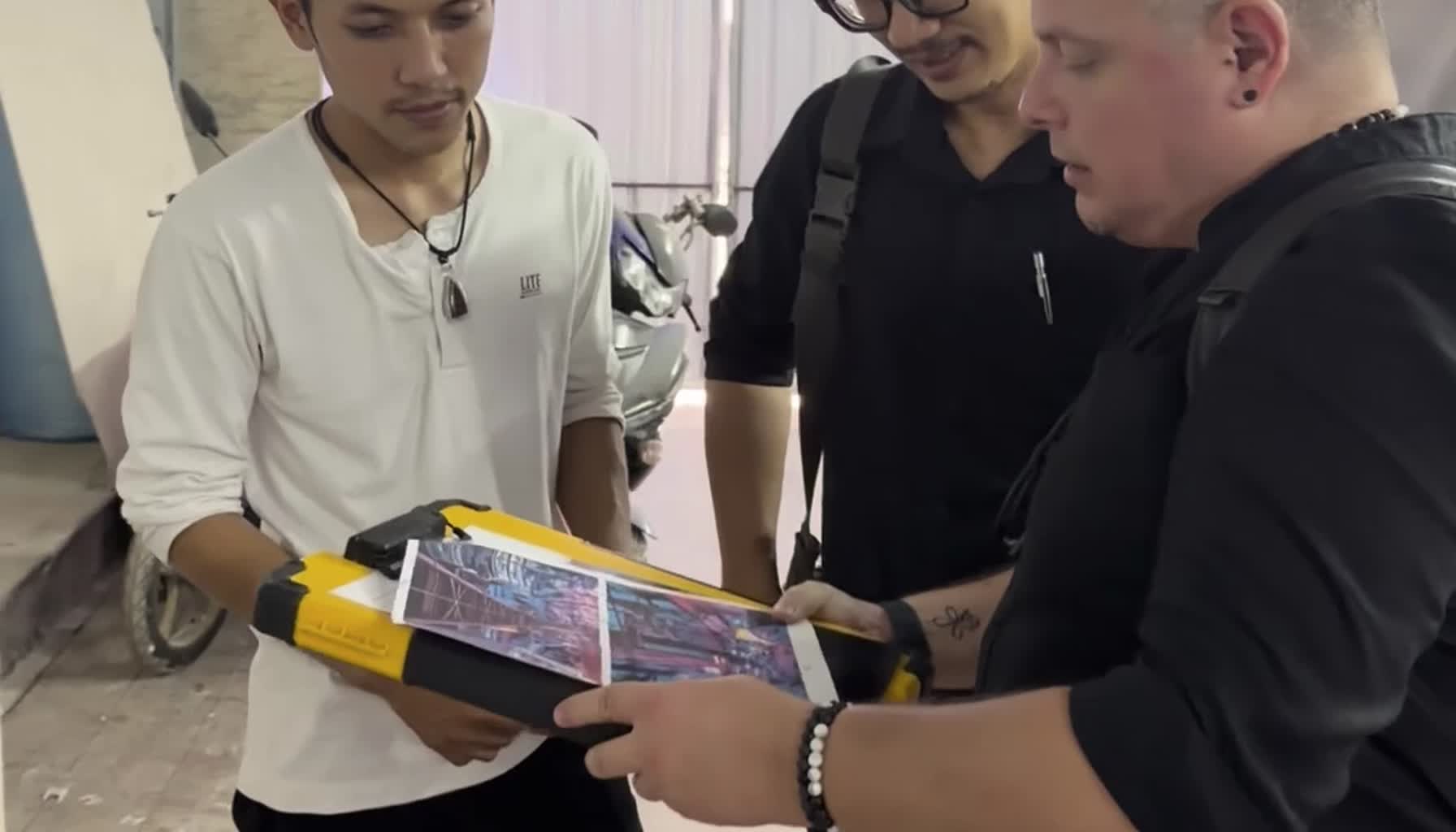
Construction follow-up isn’t a single site visit at handover. It means being present at key build milestones, reviewing material samples against approved specifications on-site rather than in a sample box, and being reachable when a contractor hits a decision a drawing didn’t fully anticipate — which happens on every project, without exception.
Why Most Studios Skip This Step
Construction follow-up is unglamorous and doesn’t photograph well for a portfolio. It’s also genuinely resource-intensive: it requires a studio to stay engaged with a project for months after the “design” work is technically finished, with no new fee milestone to show for it in the short term. That’s precisely why many studios treat it as optional rather than as part of the core service.
Why This Matters for Operators
For F&B and hospitality operators investing in a fit-out, the value of a design is only as real as what actually gets built. Choosing a studio that stays engaged through construction — rather than one that hands over drawings and disappears — is the difference between a design surviving contact with the build and quietly eroding into something else by the time doors open.
Contact Unformal Design at alessio@unformaldesign.com or via WhatsApp at +66 97 112 3561 to discuss construction follow-up on your next hospitality or F&B project in Thailand.
Frequently Asked Questions
What is construction follow-up in interior design? It’s the practice of a design studio staying actively involved on-site through the construction phase — reviewing materials, checking work against approved drawings, and resolving decisions that come up mid-build — rather than handing over plans and only returning at handover.
Why does construction follow-up matter if the drawings are already approved? Because a drawing specifies intent but can’t enforce it on-site. Material substitutions, rounded dimensions and simplified details happen during every build; without someone from the design side present, these small deviations can compound into a finished space that no longer matches what was approved.
Why do many interior design studios skip on-site construction follow-up? It’s resource-intensive and doesn’t produce a new portfolio-ready deliverable, so some studios treat it as an optional add-on rather than a core part of the service — even though it’s often the phase where a design is most at risk.
How does Unformal Design handle construction follow-up? By staying present at key build milestones, reviewing material samples on-site against approved specifications, and remaining reachable for decisions that arise mid-construction, rather than being available only before and after the build.
Comments