

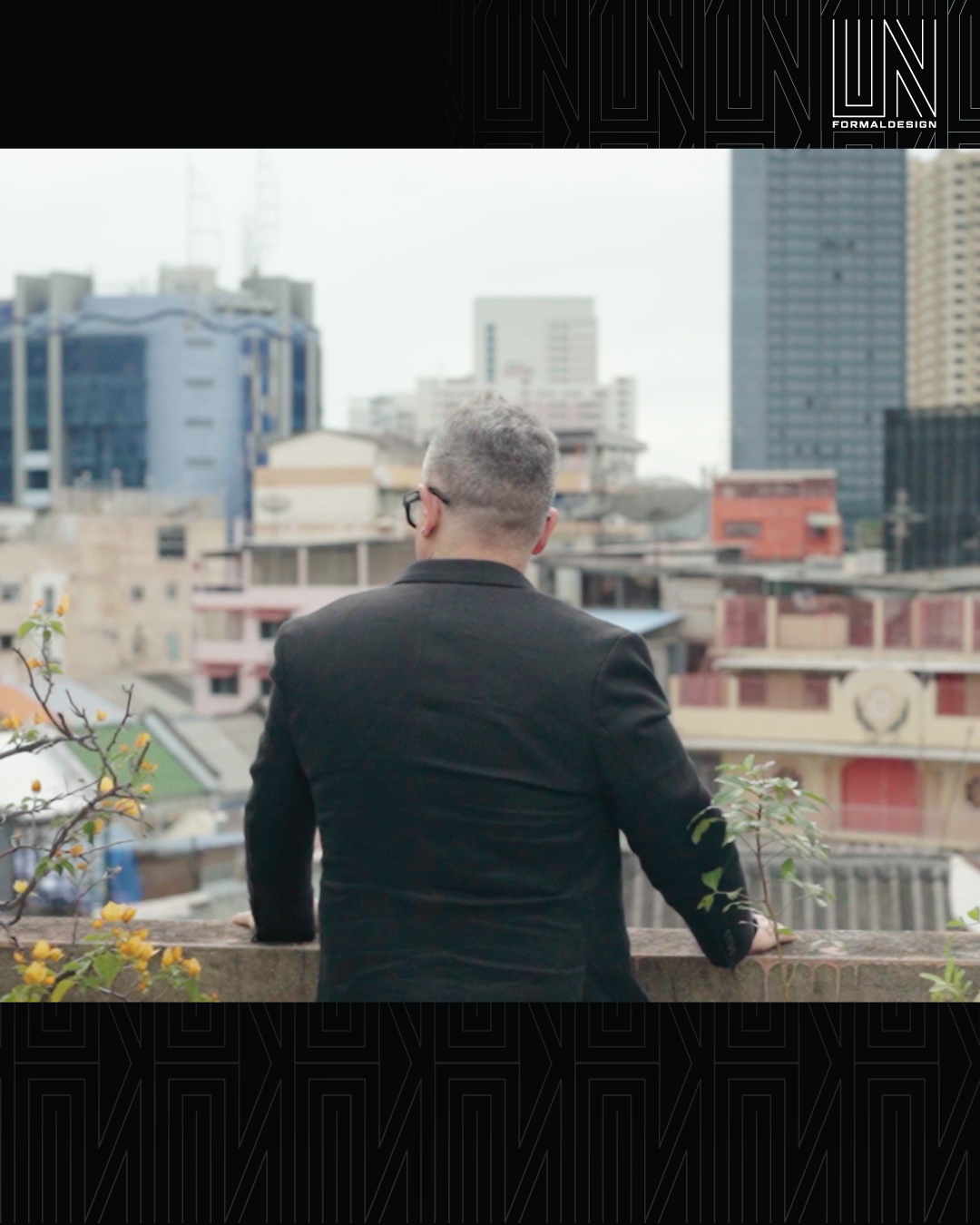
Some spaces feel real because they’re not trying to be perfect. They have layers. Memory. Patina. A slight tension between rawness and refinement.
The Method: 4 Steps to Turn Chaos Into a Buildable Design Language
Observe Contrast (don’t Smooth It Out)
Contrast is identity. Look for: rough vs smooth, old vs new, loud vs quiet, bright vs dark.
Collect Patina Cues (memory You Can Touch)
Patina is not “dirty.” It’s material history—how surfaces age under hands, heat, humidity, and use.
Identify Rituals (how People Actually Live)
Map: arrival behaviour, how people order, where they wait, how long they stay, what triggers sharing / photos.
Refine Into a System (raw Inspiration, Refined Execution)
Raw inspiration is easy. Refined execution is what makes it work: repeatable details, durable materials, controlled lighting, flow that supports staff speed.
Mini Case: Ailati, Bangkok — Place-read Material Layering
AILATI is set inside a two-storey Sino-European house near the Chao Phraya River. Factual material cues used: vintage plaster, local ceramics, reclaimed wood, weathered steel, turquoise accents and contemporary tile patterns.
Strategy Call
• City + location
• Venue type
• Rough floor area
• Opening timeline
FAQ
Q: What is the one thing that makes a hospitality interior memorable?
A: A clear feeling, expressed through light, material, and movement.
Q: How do you design for Thailand conditions?
A: Durable materials, refined touchpoints, ventilation/maintenance access, and lighting that works at low lux.
Q: What do you need to quote a project?
A: Location, approximate area, venue type, scope, timeline, and constraints.